Chattanooga Concrete Sealing & Pressure Washing: Protecting Driveways From Winter Salt Damage
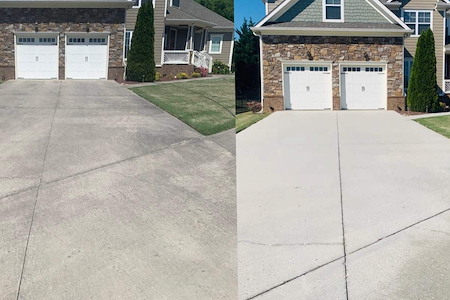
Winter road salts and Tennessee Valley freeze-thaw swings can turn a healthy driveway into a cracked, flaky mess. This post explains why professional driveway washing and penetrating concrete sealing matter in Chattanooga, how salt accelerates damage during temperature swings, and what verification steps our team at Keith Pressure Washing follows before any sealer touches your slab. For details on the cleaning process itself, see our driveway washing service and how it prepares concrete for long-lasting protection.
If you want an overview of services beyond this article, start with driveway & concrete cleaning on our home page to see how cleaning integrates with sealing for complete protection.
Why Winter Salt Damages Chattanooga Concrete
When you commute down Lookout Mountain or Signal Mountain, salts and deicers hitch a ride on your tires. They dissolve into meltwater, soak into your driveway, and react with the paste that holds concrete together. As temperatures bounce above and below freezing, that salt-laden moisture expands and contracts inside the slab. The surface starts to flake, called scaling, and larger pieces can break away in a process known as spalling.
Our local climate makes the problem worse. Chattanooga often hovers around 32 degrees on winter mornings before warming up in the afternoon. That swing creates frequent freeze-thaw cycles that stress the concrete. Salt is the enemy of concrete in winter. It speeds up moisture movement, draws more water into the pores, and lowers the freeze point so brine lingers longer inside the slab.
The Tennessee Valley Freeze-Thaw Cycle Explained
Concrete looks solid, but it is full of microscopic capillaries. During a rain or snow event, these capillaries fill with water. When temperatures drop below freezing, the water expands roughly nine percent. In a single hard freeze, most driveways hold up. But in Chattanooga, repeated cycles in January and February cause small cracks to open and close over and over. That motion stresses the paste around the sand and rock, which leads to hairline cracks turning into visible spalls by late winter.
Neighborhoods like Hixson and Red Bank feel this when shaded drives thaw slowly. Areas near the river can stay damp longer, and places like East Brainerd or Ooltewah with heavier commuter traffic track in more deicer. All of these details influence the right cleaning chemistry and the best timing for sealing.
Why Professional Driveway Washing Must Come First
Sealers do not stick to dirty or sealed-over surfaces. A thin film of oil, tire residue, clay dust, or an old topical product can block a penetrating sealer from soaking in. If the sealer cannot enter the pores, salts and water will. That is why a deep pressure wash is step one before any silane-siloxane treatment.
Our technicians use controlled pressure with purpose-built rotary tools to lift contamination from the capillaries without etching sound concrete. Detergents are selected to break down petroleum, rubber residue, and winter grime. After rinsing, we neutralize to bring surface pH back into the manufacturer’s target range for sealer uptake. Deep cleaning is mandatory before sealing. Skipping it traps contamination and shortens the life of the treatment.
Silane-Siloxane: The Right Shield Against Salts
Silane-siloxane is a penetrating, breathable sealer blend. It lines the pore walls below the surface instead of forming a slippery film on top. That means water and dissolved salts have a hard time entering, but water vapor can still escape. This is critical in our climate because it reduces pressure from freeze-thaw expansion while avoiding the peeling and hot-tire pickup that film-formers can suffer.
When properly applied, silane-siloxane raises the contact angle of water on the surface so moisture beads and runs off. Less water absorption means fewer cycles of internal expansion. Less salt penetration means fewer chemical reactions that break down cement paste. The result is a driveway that stays tighter and resists scaling when winter weather returns.
Multi-Step Verification: How We Check Porosity Before Sealing
Good sealing results come from testing, not guessing. Before we open a pail, our team confirms that the slab is clean, open, and ready.
- Never seal before testing porosity. After cleaning and drying, we perform a controlled water-drop check across several zones. If droplets sit high and fail to darken the concrete within a set time, we know pores are still blocked and address the cause.
- We check moisture with a meter and compare readings across sun and shade. Elevated readings in a swale or at the garage apron tell us to extend dry time.
- We review a small masked test patch with the chosen silane-siloxane. Proper uptake shows as a temporary darkening that evens out as the carrier flashes off. We look for uniform penetration, not surface shine.
- We evaluate absorbency differences between old patches, broom-finished slabs, and denser sections near control joints so coverage and dwell can be adjusted.
- We confirm weather windows with no rain in the forecast and temperatures within the manufacturer’s range, so the sealer can cure as designed.
These checks make the difference between a treatment that lasts and one that washes away in the first winter storm.
Cleaning And Sealing Workflow Built For Chattanooga
Our process is designed for local driveways that see commuter salts from the ridge tops and river crossings. It balances effective cleaning with respect for your concrete’s finish and age.
Here is the big picture of what our crews do on a typical job in North Chattanooga, St. Elmo, or East Brainerd:
- Isolate sensitive edges, landscaping, and nearby doors to protect finishes.
- Apply targeted detergents to break down oils, rubber, and winter residue without harsh fumes.
- Rinse with controlled pressure and rotary surface tools for even, streak-free results.
- Neutralize if required and allow the slab to dry based on real-time moisture checks.
- Run porosity and absorption checks across multiple zones before sealing.
- Apply silane-siloxane by low-pressure flood coat, work-in, and back-roll where needed for even penetration.
This is not a DIY approach. It is a professional workflow created to stand up to our valley’s winter patterns and the salts tracked home from mountain commutes.
Local insight: parking a salt-covered vehicle on a damp slab overnight drives brine deep into the pores. If you can, rinse fenders and wheel wells at a wash bay before coming home during winter events. That small step reduces what your driveway has to fight.
How Sealing Protects Against Future Spalling
Once a penetrating sealer sets up, it limits how fast and how far liquid water can travel inside the concrete. With less absorption, there is less internal expansion during freezes. That slows surface scaling and helps keep hairline cracks from widening. It also makes routine cleaning faster because grime sits higher on the surface.
Paired with seasonal driveway washing, sealing becomes a maintenance system. The cleaning removes contamination and keeps pores open. The sealer reduces water entry and salt impact. Together they protect the investment you made in your driveway.
Recognizing Trouble Spots Before Winter
Homeowners around Ooltewah, Hixson, and Red Bank often notice patterns that hint at underlying issues. Look for areas that stay dark long after a rain, glossy patches where an old topical product might still linger, or white powdery lines along cracks that suggest salt movement. These are flags our crews check during estimates and site walks so we can plan cleaning chemistry and sealer coverage correctly.
Driveway & Concrete Cleaning Benefits You Can Feel
Regular professional cleaning and sealing deliver benefits beyond a fresh look:
It keeps the surface safer by reducing the slippery film that forms when winter residue mixes with dew. It keeps the garage cleaner because less brine gets tracked inside. It also helps preserve curb appeal for homeowners in neighborhoods like St. Elmo where historic charm is part of the home’s value.
What To Expect From A Chattanooga Sealing Visit
When you book with Keith Pressure Washing, here is what a typical service day includes. We arrive with specialized surface tools, detergents matched to the soils we expect to find, and moisture meters. We review drainage paths so rinse water flows away from planting beds. After cleaning, we verify the slab is ready and apply the silane-siloxane in a controlled pattern to ensure even pore lining without creating a slick film.
We work within manufacturer guidelines on temperature and cure time. The driveway can usually handle foot traffic sooner than vehicle traffic, and we provide clear guidance on when to drive back on the slab based on the product used and the day’s weather. Your exact timing varies by shade, humidity, and air movement because Chattanooga’s winter air can hold a lot of moisture after a front moves through.
Common Questions We Hear In Chattanooga
How often should you clean and reseal? It depends on traffic, shade, and how much deicer reaches your property. Driveways at the base of Signal Mountain or near major routes often need attention more often because they collect more salt. We assess wear patterns and water behavior each year and recommend a maintenance interval that fits your driveway’s reality, not a one-size schedule.
Will sealing change the look? Penetrating sealers are designed to keep the natural appearance. You may notice a short-term darkening as the carrier evaporates. The final finish should look like clean concrete without a glossy coating. That matters on broom-finished Chattanooga slabs where traction is a priority in wet weather.
Why Choose Keith Pressure Washing For Chattanooga Driveway Sealing
We specialize in driveway washing and sealing for the Chattanooga climate. Our technicians focus on surface preparation, porosity verification, and correct application so your sealer works as a system against salts and repeated freeze-thaw cycles. We stand behind our work and follow product data sheets so you get consistent results, season after season.
If you want to protect your driveway from the salts you pick up on Lookout Mountain or Signal Mountain commutes, our team is ready to help. Ready for professional driveway & concrete cleaning in Chattanooga? Call us today.
Call 423-413-0403 to schedule or request a site review for your home. Mention you are interested in Chattanooga driveway sealing so we can plan for porosity checks and a silane-siloxane application that fits your slab’s age and finish. For homeowners searching for “concrete pressure washing Chattanooga” or “concrete spalling repair TN,” our approach is built around testing first and sealing second so winter salts have fewer paths into your concrete.
When you are ready for maintenance that prevents damage before it starts, explore our cleaning process and how it fits with sealing by visiting our page on driveway washing. It shows how prep sets the stage for a lasting seal and a cleaner, stronger driveway all winter long.