Tennessee Soft Washing Guide: How to Safely Clean Vinyl Siding in Humid Climates
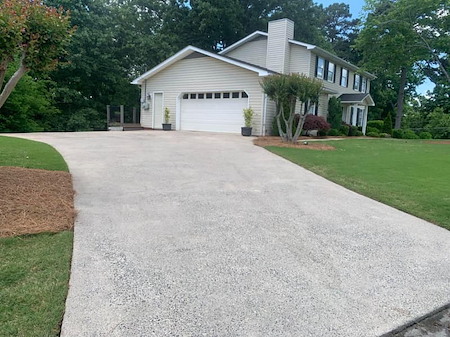
If you live anywhere in Tennessee, you know how fast green algae can tint vinyl siding once the weather turns warm and the pollen starts to fall. This guide explains why a soft washing approach is the safest, most effective way to restore curb appeal and protect your home, and how professional house washing keeps water out of your walls while wiping out algae at the root.
Soft washing uses carefully mixed, biodegradable detergents that target algae, mildew, and organic staining. The solution does the cleaning, not high pressure. That matters in a humid valley-and-plateau climate like ours, where forcing water behind siding can create hidden moisture pockets and long-term issues.
What Makes Tennessee Vinyl Siding Grow Green Fast
Tennessee’s mix of warm summers, frequent rainfall, and long pollen season creates a perfect film on siding that algae can grab. Shaded north and east walls, tree-lined lots, and homes near creeks or the river tend to show green first, especially after a heavy spring pollen drop.
- High humidity and warm nights keep exterior surfaces damp for hours.
- Tree pollen and dust stick to vinyl, forming a food source for algae.
- Shady walls and tight landscaping reduce sun and airflow, so siding stays wet.
Across the state, from the Tennessee Valley to the foothills and plateau communities, those conditions repeat. The result is the same story each year: green haze by early summer, stubborn streaks by mid-season, and darkened trim where water lingers.
Why Soft Washing Beats High Pressure In Tennessee
High-pressure blasting can look fast, but it can push water past laps and up through weep holes. Once moisture gets behind vinyl, it can sit against the sheathing where it takes a long time to dry. That risk increases in humid weather. By contrast, soft washing relies on low-pressure delivery of a cleaning solution that breaks the bond between the stain and the surface, then rinses away at garden-hose levels.
The key is the detergent-algaecide blend. Biodegradable algaecides penetrate the organic layer and disrupt growth at the root level. Instead of just lifting the surface film, the chemistry neutralizes spores that would otherwise regroup after the next sticky, humid week.
Think of it like weeding a garden. Pulling leaves looks clean for a day, but the roots bring the weed back. Soft washing targets the root, so results last longer between cleanings even in a wet summer.
The Soft Washing Process For Vinyl Siding
Inspection And Safety Setup
Every home starts with a walkaround. Pros look for loose siding, open weep holes, failing caulk around windows, clogged downspouts, and any electrical fixtures that need covers. They plan the order of work so runoff always flows away from door thresholds and foundation vents. This planning is essential in Tennessee’s humid season, when small mistakes can trap moisture.
Plant And Property Protection
Good curb appeal includes healthy plants. Before cleaning, experienced teams pre-wet landscaping and set up coverings where needed. They keep solution off sensitive surfaces like natural wood doors and patinaed metals, and they direct rinse water so it does not pool in beds with fresh mulch.
Local insight: After a heavy pollen fall, letting rain or irrigation rinse surfaces for a few days can reduce the film that clings to siding. Scheduling soft washing just after that brief window often delivers a cleaner rinse with less runoff to your beds.
Apply Biodegradable Algaecide Detergent
The cleaner is mixed for your siding type and soil load. On vinyl, a low-pressure applicator lays down an even coat from the bottom up to prevent streaking. The solution needs dwell time so it can break surface tension and penetrate the algae layer. This is where the chemistry works for you. It eliminates spores rather than just brightening the surface for a few days.
Gentle Rinse And Final Check
Rinsing happens with low pressure and controlled angles. Crews avoid forcing water upward under laps or directly into weep holes. Windows, trim, and soffits get a lighter touch. Finally, a walkaround confirms uniform results, clear weeps, and dry thresholds. This careful finish matters more in humid months because drying takes longer.
Protecting Landscaping And Outdoor Spaces
Tennessee yards often feature dogwoods, azaleas, hydrangeas, hostas, and edible gardens. Professional house washing should treat these spaces with respect. The routine includes shielding plants, flooding root zones with fresh water before and after, and neutralizing any overspray that could sit on leaves during a hot afternoon.
Here are the protection standards our industry follows for a clean, zero-damage finish:
- rinse and neutralize plant leaves before and after to prevent spotting or stress.
- protect electrical boxes and fixtures with covers so no moisture collects inside.
- use low pressure only around screens, soffits, and trim to prevent damage.
- never spray upward under siding laps where water can ride behind panels.
Soft washing also keeps patios, railings, and outdoor kitchens looking good. A careful tech will stage hoses to avoid tracking through beds, and they will keep solution away from natural stone that you want to age gracefully.
When To Schedule House Washing In A Humid Climate
Timing can stretch your results. Tennessee’s pollen cycle plus summer humidity means algae often surges after late spring. Many homeowners like a late-spring cleaning to set the stage for summer, then a mid-fall rinse to remove organic debris before winter. If your home sits under trees or near water, you might prefer a slightly shorter interval during extra-humid years.
If you are building a maintenance habit, aligning with your gutter service and window cleaning can simplify life. Pairing those tasks with residential pressure washing services helps keep runoff moving and cuts the chance of organic buildup that feeds algae on siding and trim.
Newer vinyl often cleans faster, while older panels can hold onto organic films a bit longer. Soft washing still works well in both cases, and it keeps warranty-friendly pressure levels in mind. If you want a deeper dive into care basics, you can browse our pressure washing tips to understand how pros approach different exterior materials.
How Biodegradable Algaecides Stop Regrowth
The formulas used in soft washing are designed to break down after doing their job. During dwell time, they cut through organic films and reach algae and mildew at their source. Once neutralized and rinsed, the surface is clean instead of simply brightened. That difference helps slow the return of green, especially when your yard stays damp after afternoon storms.
Because the detergents are biodegradable and used at controlled strengths, they are friendly to vinyl and painted trim and rinse clear with plenty of water. Crews also keep an eye on runoff paths so cleaner does not collect in low spots or where pets play.
Moisture Control: Keeping Water Out Of Your Walls
Vinyl siding sheds rain well when installed correctly, but it is not a waterproof barrier. It has laps and weep holes on purpose. High-PSI water can blow past those openings and soak the sheathing, especially around windows, doors, and hose bibs. In Tennessee’s humidity, trapped moisture can take longer to evaporate, which is why low-pressure cleaning is the smarter choice.
Soft washing limits water volume at the wall, relies on targeted chemistry, and uses rinse angles that respect how siding is built. It is a simple formula that works: less forced water, more controlled cleaning, and better long-term results.
Quality Standards You Should Expect From A Provider
You deserve clarity and care from start to finish. Whether your home is in a shaded neighborhood near the river, on a breezy ridge, or tucked under tall pines, the right crew adapts to your setting and your schedule.
Look for a team that offers:
- Documented soft washing methods for vinyl and trim.
- Biodegradable cleaners mixed to match your soil level and siding color.
- Plant and property protection steps outlined before work begins.
- Final walkaround to confirm uniform results and clear weep holes.
If you want to understand how a professional plan fits your home, explore tennessee soft washing approaches that start with inspection, move through gentle cleaning, and end with a careful rinse and check. That process is built for our climate and the way algae behaves in humid weather.
Realistic Expectations For Lasting Curb Appeal
Soft washing restores color and clarity to vinyl, but sunlight and pollen never stop. With a reasonable maintenance rhythm and good airflow around the house, most Tennessee homes keep a bright look through the season. Shadier lots or lakefront properties may see green creep back a bit sooner. That is normal in our climate.
A longer-lasting clean usually comes from three things working together: proper chemistry, gentle technique, and smart timing. When those line up, you get a better result with less water and less risk.
Getting Started With Safe Vinyl Siding Cleaning
If your siding looks green or chalky, now is a smart time to plan a service. A quick conversation helps align timing with your pollen and shade patterns, and it lets the crew plan plant protection for your specific beds. You can learn more about low-pressure methods and why they matter for vinyl by reviewing our approach to house washing on the service page.
Ready For A Zero-Damage Clean?
Soft washing is the right fit for Tennessee’s humid, high-pollen conditions. It targets the root of algae, respects how vinyl siding is built, and protects the landscaping that frames your home. If you want a home exterior that looks fresh without the risks of high pressure, reach out to Keith Pressure Washing at 423-413-0403 and let us tailor a plan for your property. You can also schedule house washing to lock in a clean, zero-damage finish built for our climate.